Osceola Is Captured Under a Flag of Truce
1837 — A peace meeting near Fort Peyton became an arrest, removing a prominent Seminole leader from Florida.
By Wm. E. McMullen II
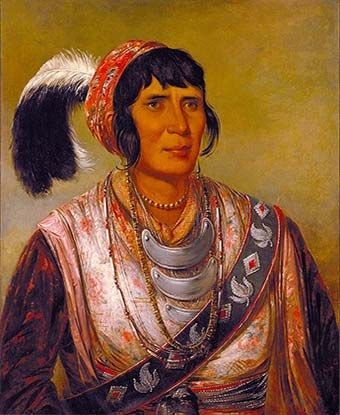
A Meeting That Became a Capture
On October 21, 1837, Osceola and his companions approached Fort Peyton, near St. Augustine, under a white flag of truce. They came for peace negotiations. Instead, they were taken prisoner. The Charleston Museum dates the capture to this day; the National Park Service places it within General Thomas Jesup’s campaign during the Second Seminole War. This was a capture during an attempted negotiation, not a battlefield surrender.[1][2]
The Struggle Over Removal
Osceola’s resistance grew from the effort to force Seminole people out of Florida. Federal removal policy and the disputed Treaty of Payne’s Landing threatened their homes and autonomy. Black Seminoles also faced the danger of enslavement. The National Park Service describes a leader who used Florida’s terrain and mobile tactics to evade military forces. His story belongs to the larger struggle of communities resisting displacement, rather than to a simple contest between two military personalities.[2]
From St. Augustine to Fort Moultrie
After the arrest, Osceola was confined at Fort Marion, the name then used for the Castillo de San Marcos. He was later transferred to Fort Moultrie on Sullivan’s Island, South Carolina. Already ill, he died there on January 30, 1838. His burial remained outside Florida. These later events must be kept separate from the October anniversary: the capture, transfer, and death did not happen on one day.[1][2]
Portraits Made in Captivity
Osceola attracted the attention of artists as well as military officials. The Charleston Museum preserves Robert John Curtis’s 1838 portrait; George Catlin also painted him during his final imprisonment. Such works help explain why his image became widely recognizable. They are portraits made by particular artists in particular circumstances, however, not photographs of the Fort Peyton meeting. A portrait can preserve clothing and an artist’s interpretation while leaving the negotiations themselves outside its frame.[1][2]
The Meaning of a White Flag
A flag of truce makes communication possible by signaling a temporary suspension of hostility. Capturing a party that approaches for talks raises a question about trust that extends beyond a single campaign. The National Park Service records public criticism of the method used against Osceola. For readers today, October 21 offers an opportunity to examine both the power exercised by the United States and the choices available to the people resisting removal.[2]
Explore and Discuss
- Why distinguish capture under a truce from surrender?
- What can a portrait tell us, and what requires a written record?
Sources and Further Reading
- Chad Stewart, The Charleston Museum. Captive Sitter: Osceola at Fort Moultrie, August 2023.
- National Park Service. Osceola, biography and account of capture and imprisonment.
Explore the daily archive: Discover more events that shaped Florida.
Today in Florida History